Buy fiduciaire.eu ?
We are moving the project
fiduciaire.eu .
Are you interested in purchasing the domain
fiduciaire.eu ?
domain@kv-gmbh.de · 0541-91531010
Buy fiduciaire.eu ?
What is the meaning of digital PWM (Pulse Width Modulation)?
Digital PWM (Pulse Width Modulation) is a method used to control the amount of power delivered to a device by rapidly switching it on and off. The width of the on-time (duty cycle) determines the average power delivered to the device. In the digital context, PWM is achieved using digital signals and is commonly used in microcontrollers and digital signal processors to control the speed of motors, brightness of LEDs, and other applications requiring variable power control. This method allows for precise and efficient control of power delivery in digital systems. **
What is the project Pulse Width Modulation?
Pulse Width Modulation (PWM) is a technique used to encode a message into a pulsing signal. It involves varying the width of the pulse while keeping the frequency constant. This method is commonly used in electronic devices to control the power supplied to electrical devices, such as motors, LEDs, and speakers. By adjusting the duty cycle of the pulse, PWM allows for precise control over the output voltage or current, making it an efficient way to regulate the speed or intensity of various components. **


Similar search terms for PWM Pulse Width Modulation
Top-Angebote
Products related to PWM Pulse Width Modulation:
-
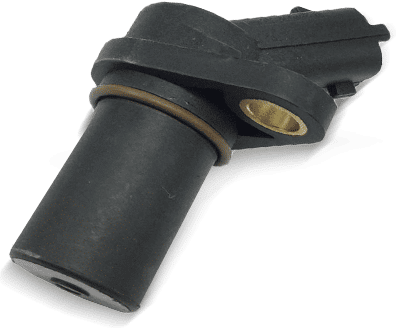
METZGER 0903235 Sensor, ignition pulseNumber of pins: 2; Supplementary Article / Supplementary Info Info 2: without cable; Colour: black; Version: IAM; Construction Year from: 08/1996, 09/1997; Construction Year to: 09/2000, 10/2002, 12/2001; TecDoc Engine Number: 1588920,49 £*Shipping: 8,45 £Secure redirect to the provider
-
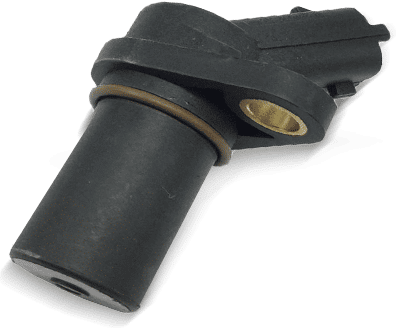
METZGER 0903065 Sensor, ignition pulseNumber of pins: 3; Resistor [ohm]: 1400; Cable Length [mm]: 385; TecDoc Engine Number: 28375, 28376, 28380; Construction Year to: 09/1992; Manufacturer Restriction: Bosch, Siemens; Construction Year from: 09/1992; Engine Code: M5027,99 £*Shipping: 8,45 £Secure redirect to the provider


-
How can pulse width modulation be explained simply?
Pulse width modulation (PWM) is a method used to control the amount of power delivered to a load by varying the width of the pulse signal. In simple terms, PWM works by turning the power on and off at a fast rate, with the ratio of on-time to off-time determining the average power delivered. By adjusting this ratio, PWM can effectively control the speed of motors, brightness of LEDs, and other parameters in electronic systems. **
-
What are the advantages of speed control in a direct current motor with pulse width modulation?
Speed control in a direct current motor with pulse width modulation (PWM) offers several advantages. Firstly, PWM allows for precise and accurate control of motor speed, enabling the motor to operate at different speeds as required by the application. Secondly, PWM control is energy-efficient as it regulates the amount of power delivered to the motor, resulting in reduced energy consumption and cost savings. Lastly, PWM control helps in reducing motor wear and tear by minimizing sudden changes in speed, leading to improved motor longevity and reliability. **
-
What is the difference between frequency modulation and amplitude modulation?
Frequency modulation (FM) and amplitude modulation (AM) are two different methods used in radio broadcasting to carry a signal. The main difference between the two is how they vary the carrier wave to transmit information. In AM, the amplitude of the carrier wave is varied in proportion to that of the input signal, while in FM, the frequency of the carrier wave is varied. FM is known for its better sound quality and resistance to noise, while AM is simpler and has a longer range. **
-
What is the difference between amplitude modulation and frequency modulation?
Amplitude modulation (AM) is a method of encoding information on a carrier wave by varying its amplitude, while frequency modulation (FM) encodes information by varying the frequency of the carrier wave. In AM, the amplitude of the carrier wave is directly proportional to the amplitude of the input signal, whereas in FM, the frequency of the carrier wave is varied in proportion to the amplitude of the input signal. FM is less susceptible to noise and interference compared to AM, making it a more reliable method for transmitting information over long distances. **

How does modulation work?
Modulation is the process of varying a carrier signal's properties, such as its amplitude, frequency, or phase, in order to encode information onto it. This allows the carrier signal to carry the information over a communication channel. For example, in amplitude modulation (AM), the amplitude of the carrier signal is varied in accordance with the information signal. At the receiving end, the modulation is reversed through demodulation, allowing the original information to be recovered. Modulation is a fundamental concept in communication systems, allowing for the transmission of information over long distances. **
What are the characteristics of modulation?
Modulation is the process of varying a carrier signal's properties, such as amplitude, frequency, or phase, in order to transmit information. The characteristics of modulation include the ability to encode information onto a carrier signal, allowing for efficient transmission over long distances. Modulation also enables multiple signals to be transmitted simultaneously over the same medium, known as multiplexing. Additionally, modulation allows for the signal to be easily demodulated and the original information to be recovered at the receiving end. **
Top-Angebote
Products related to PWM Pulse Width Modulation:
-
Corsair RS120 ARGB 120mm PWM Fan – WhiteOverview: The Corsair RS120 ARGB 120mm PWM Fan in white combines high-performance cooling with customizable RGB lighting. Designed for PC enthusiasts seeking efficient airflow and aesthetic appeal, this fan is ideal for both case ventilation and radiator setups. Product Description: The RS120 fan features a 120mm x 25mm frame with a magnetic dome bearing, ensuring quiet operation and durability. It offers a wide RPM range from 420 to 2100 ±10%, delivering airflow between 13.3 to 72.8 CFM and static pressure up to 4.15 mm-H₂O. The fan's ARGB lighting is powered by eight LEDs, compatible with +5V ARGB headers on motherboards from ASUS, MSI, ASRock, and Gigabyte. Its PWM control allows for precise speed adjustments, and the Zero RPM mode ensures silent operation at low loads. Key Features: High Performance: Delivers up to 72.8 CFM airflow and 4.15 mm-H₂O static pressure. Quiet Operation: Magnetic dome bearing minimizes friction for low noise levels. Customizable Lighting: Eight ARGB LEDs compatible with major motherboard RGB software. Daisy-Chaining Capability: Connect multiple fans using a single motherboard header. PWM Control: Adjust fan speeds between 420 and 2100 RPM for optimal cooling. Zero RPM Mode: Fan stops spinning at low loads to eliminate noise. Warranty: Backed by Corsair's 5-year warranty for peace of mind.14,79 £*Shipping: 0,00 £Secure redirect to the provider
-
Corsair iCUE LINK RX120 RGB 120mm PWM Fan - Magnetic Dome Bearing - Black (Single), NewThe Corsair iCUE LINK RX120 RGB 120mm PWM Fan offers dynamic cooling performance with vivid RGB lighting and high static pressure. Designed for optimal airflow and compatibility with Corsair's iCUE LINK system, it ensures efficient heat dissipation for your system's hottest components. PWM Controlled Speeds: Achieve precise fan speeds up to 2,100 RPM with up to 74.2 CFM airflow for optimal cooling. High Static Pressure: Delivers 4.38mm-H2O static pressure, ideal for high-density radiators and obstructed areas. Vivid RGB Lighting: Features 8 RGB LEDs for customizable lighting effects viewable from the fan’s side window. Easy Connectivity: Includes iCUE LINK bridge connectors for seamless integration with other fans and the iCUE LINK System Hub (sold separately). CORSAIR AirGuide Technology: Anti-vortex vanes concentrate airflow towards key components for efficient cooling.29,98 £*Shipping: 0,00 £Secure redirect to the provider
-
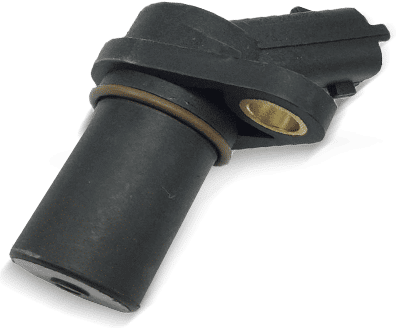
METZGER 0903235 Sensor, ignition pulseNumber of pins: 2; Supplementary Article / Supplementary Info Info 2: without cable; Colour: black; Version: IAM; Construction Year from: 08/1996, 09/1997; Construction Year to: 09/2000, 10/2002, 12/2001; TecDoc Engine Number: 1588920,49 £*Shipping: 8,45 £Secure redirect to the provider
-
What is the meaning of digital PWM (Pulse Width Modulation)?
Digital PWM (Pulse Width Modulation) is a method used to control the amount of power delivered to a device by rapidly switching it on and off. The width of the on-time (duty cycle) determines the average power delivered to the device. In the digital context, PWM is achieved using digital signals and is commonly used in microcontrollers and digital signal processors to control the speed of motors, brightness of LEDs, and other applications requiring variable power control. This method allows for precise and efficient control of power delivery in digital systems. **
-
What is the project Pulse Width Modulation?
Pulse Width Modulation (PWM) is a technique used to encode a message into a pulsing signal. It involves varying the width of the pulse while keeping the frequency constant. This method is commonly used in electronic devices to control the power supplied to electrical devices, such as motors, LEDs, and speakers. By adjusting the duty cycle of the pulse, PWM allows for precise control over the output voltage or current, making it an efficient way to regulate the speed or intensity of various components. **
-
How can pulse width modulation be explained simply?
Pulse width modulation (PWM) is a method used to control the amount of power delivered to a load by varying the width of the pulse signal. In simple terms, PWM works by turning the power on and off at a fast rate, with the ratio of on-time to off-time determining the average power delivered. By adjusting this ratio, PWM can effectively control the speed of motors, brightness of LEDs, and other parameters in electronic systems. **
-
What are the advantages of speed control in a direct current motor with pulse width modulation?
Speed control in a direct current motor with pulse width modulation (PWM) offers several advantages. Firstly, PWM allows for precise and accurate control of motor speed, enabling the motor to operate at different speeds as required by the application. Secondly, PWM control is energy-efficient as it regulates the amount of power delivered to the motor, resulting in reduced energy consumption and cost savings. Lastly, PWM control helps in reducing motor wear and tear by minimizing sudden changes in speed, leading to improved motor longevity and reliability. **
Similar search terms for PWM Pulse Width Modulation
-
METZGER 0903065 Sensor, ignition pulseNumber of pins: 3; Resistor [ohm]: 1400; Cable Length [mm]: 385; TecDoc Engine Number: 28375, 28376, 28380; Construction Year to: 09/1992; Manufacturer Restriction: Bosch, Siemens; Construction Year from: 09/1992; Engine Code: M5027,99 £*Shipping: 8,45 £Secure redirect to the provider
-
What is the difference between frequency modulation and amplitude modulation?
Frequency modulation (FM) and amplitude modulation (AM) are two different methods used in radio broadcasting to carry a signal. The main difference between the two is how they vary the carrier wave to transmit information. In AM, the amplitude of the carrier wave is varied in proportion to that of the input signal, while in FM, the frequency of the carrier wave is varied. FM is known for its better sound quality and resistance to noise, while AM is simpler and has a longer range. **
-
What is the difference between amplitude modulation and frequency modulation?
Amplitude modulation (AM) is a method of encoding information on a carrier wave by varying its amplitude, while frequency modulation (FM) encodes information by varying the frequency of the carrier wave. In AM, the amplitude of the carrier wave is directly proportional to the amplitude of the input signal, whereas in FM, the frequency of the carrier wave is varied in proportion to the amplitude of the input signal. FM is less susceptible to noise and interference compared to AM, making it a more reliable method for transmitting information over long distances. **
-
How does modulation work?
Modulation is the process of varying a carrier signal's properties, such as its amplitude, frequency, or phase, in order to encode information onto it. This allows the carrier signal to carry the information over a communication channel. For example, in amplitude modulation (AM), the amplitude of the carrier signal is varied in accordance with the information signal. At the receiving end, the modulation is reversed through demodulation, allowing the original information to be recovered. Modulation is a fundamental concept in communication systems, allowing for the transmission of information over long distances. **
-
What are the characteristics of modulation?
Modulation is the process of varying a carrier signal's properties, such as amplitude, frequency, or phase, in order to transmit information. The characteristics of modulation include the ability to encode information onto a carrier signal, allowing for efficient transmission over long distances. Modulation also enables multiple signals to be transmitted simultaneously over the same medium, known as multiplexing. Additionally, modulation allows for the signal to be easily demodulated and the original information to be recovered at the receiving end. **
* All prices are inclusive of VAT and, if applicable, plus shipping costs. The offer information is based on the details provided by the respective shop and is updated through automated processes. Real-time updates do not occur, so deviations can occur in individual cases. ** Note: Parts of this content were created by AI.